
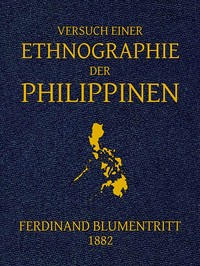
Versuch einer Ethnographie der Philippinen by Ferdinand Blumentritt
Let's get this out of the way: this isn't a beach read. 'Versuch einer Ethnographie der Philippinen' (An Attempt at an Ethnography of the Philippines) is exactly what the title says. Published in 1882, it's a systematic, scholarly work by an Austrian named Ferdinand Blumentritt. He wasn't an adventurer; he was a teacher and a librarian who became obsessed with the archipelago from his desk in Leitmeritz (now in the Czech Republic).
The Story
There's no traditional plot. Instead, the 'story' is Blumentritt's monumental effort to map the human landscape of the Philippines. He organizes the book like a guide to the nation's soul. He catalogs the different ethnic groups—from the Tagalog and Visayans to groups like the Igorot and the Mangyan. He dives into their languages, beliefs, social structures, and histories. He uses sources available to him at the time, which were mostly Spanish colonial records and accounts from missionaries, but he critiques them too. He famously became a close friend and adviser to José Rizal, the Philippine national hero, who provided him with firsthand insights. The narrative drive comes from watching one man try to build a bridge of knowledge across the world, fighting against the simplistic stereotypes of his era.
Why You Should Read It
This book is a quiet act of rebellion. In an age of outright colonial exploitation, Blumentritt approached Filipinos as people to be understood, not subjects to be ruled. His respect shines through. Reading it, you feel the weight of his mission: to preserve and acknowledge a rich culture that others were trying to suppress or ignore. It's humbling and a little haunting. You see both the limitations of his time (some of his information is second-hand or outdated) and the stunning breadth of his empathy. It makes you think about who gets to write history and why this Austrian's work became so crucial to Filipino intellectuals fighting for their own identity.
Final Verdict
This is a niche book, but a powerful one. It's perfect for history buffs, anthropology nerds, or anyone with a deep interest in the Philippines. It's not for casual entertainment. Think of it as a primary source document that lets you peer into the mind of a 19th-century European who was, against all odds, trying to get it right. If you've ever read Rizal's novels, this book is the secret key to understanding one of his most important relationships. It's a slow, thoughtful read that rewards you with a profound sense of connection across time and distance.
Legal analysis indicates this work is in the public domain. Preserving history for future generations.
Michael Thomas
8 months agoImpressive quality for a digital edition.
Richard Hernandez
5 months agoAs a professional in this niche, the author doesn't just scratch the surface but goes into meaningful detail. Top-tier content that deserves more recognition.
Linda Garcia
1 year agoIt effectively synthesizes complex ideas into a coherent whole.
Robert Perez
8 months agoWhile browsing through various academic sources, the language used is precise without being overly academic or confusing. The price-to-value ratio here is simply unbeatable.



George Garcia
2 years agoI found the author's tone to be very professional yet accessible, the insights into future trends are particularly thought-provoking. The price-to-value ratio here is simply unbeatable.