
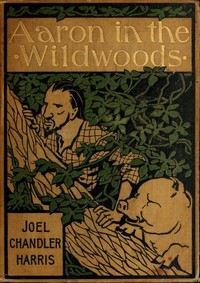
Aaron in the Wildwoods by Joel Chandler Harris
If you only know Joel Chandler Harris from his Br'er Rabbit stories, Aaron in the Wildwoods will be a revelation. Published in 1900, it steps away from the animal fables of the Uncle Remus series and tells a very human, grounded story of struggle and survival.
The Story
The plot is straightforward but powerful. Aaron is a young enslaved boy on a plantation in antebellum Georgia. After a brutal whipping, he can't take it anymore. He runs, fleeing into the vast, untamed wildwoods and swamps. This isn't a clean escape to the North via the Underground Railroad; it's a desperate dive into a different kind of wilderness. The swamp is full of dangers—animals, hunger, and the ever-present fear of being caught.
Aaron's salvation comes in the form of a mysterious man simply called 'The Wild Man,' a white man who has chosen to live completely outside of society. This loner doesn't just give Aaron shelter; he teaches him how to survive: how to hunt, fish, build shelter, and read the signs of the forest. Their relationship becomes the core of the book—a quiet, growing friendship built on mutual need and respect, far away from the rules of the plantation world.
Why You Should Read It
What grabbed me wasn't just the adventure, but the layers Harris works with. On the surface, it's a great survival tale. But underneath, it's a sharp look at freedom. For Aaron, freedom isn't a political concept; it's the ability to breathe without fear, to own his own labor, and to learn for himself. The Wild Woods, dangerous as they are, become a place of more genuine liberty than the 'civilized' plantation.
The relationship between Aaron and the Wild Man is beautifully understated. It sidesteps easy answers about race and society. Their bond is practical first, then personal, showing how humanity can flourish in the margins when the mainstream world is corrupt. Harris's writing brings the Georgia swamp to life—you can almost feel the humidity and hear the insects. It's vivid without being overly sentimental.
Final Verdict
This is a great pick for readers who enjoy historical fiction with heart and a bit of grit. It's perfect for anyone interested in survival stories, nuanced looks at pre-Civil War America, or tales of unconventional friendships. Because it was written for a younger audience of its time, the prose is clear and direct, but the themes are mature enough to engage any adult. Just go in knowing it's a product of its era—the dialect and some perspectives require a bit of historical context. If you approach it on its own terms, you'll find a moving, suspenseful story about finding your place in the world, even if you have to build that place yourself in the middle of a swamp.
Legal analysis indicates this work is in the public domain. Share knowledge freely with the world.
Karen Miller
8 months agoI wanted to compare this perspective with traditional views, the step-by-step breakdown of the methodology is extremely helpful for students. Simple, effective, and authoritative – what else could you ask for?
Jessica Wilson
1 year agoMy professor recommended this, and I see why.
Sarah Perez
1 year agoFinally a version with clear text and no errors.





Jennifer White
2 months agoThe layout of the digital version made it easy to start immediately, the breakdown of complex theories into digestible segments is masterfully done. It’s hard to find this much value in a single source these days.